Existing Products & Supplier Matching
Find suitable products and suppliers for your branding needs.

Turn existing products into your own branded creations. From simple logo labeling to custom colors, materials, and product specifications, CinovaFulfill helps you build distinctive products with flexible white label and private label solutions from China.
Ideal for eCommerce sellers looking to turn existing products into differentiated branded offerings.
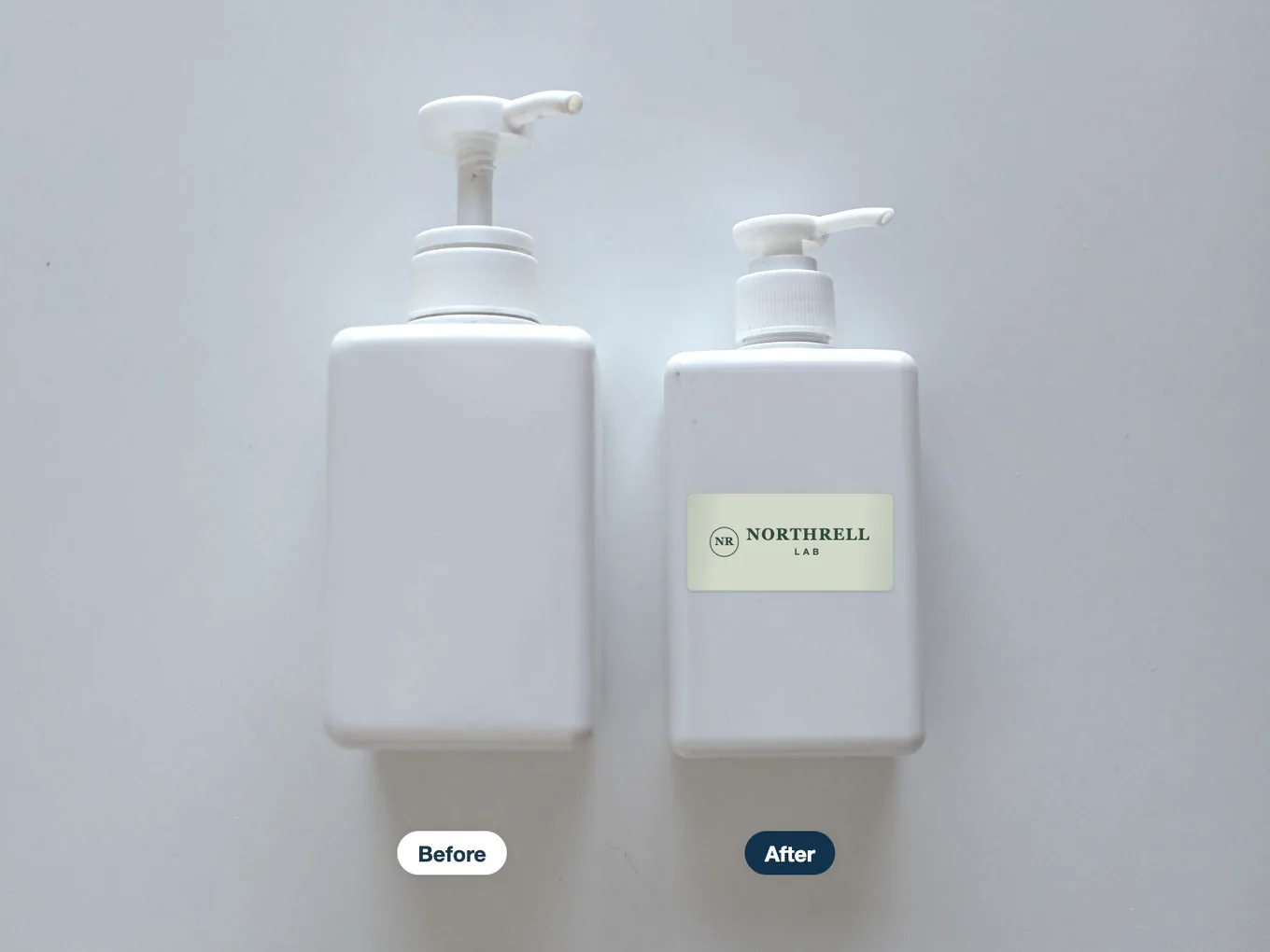
Choose the level of customization that fits your products, budget, and business goals.
Find suitable products and suppliers for your branding needs.
Add your brand identity through printing, product labels, woven tags, and other available labeling methods.
Explore customization options for colors, sizes, materials, finishes, and product details.
Understand customization costs, MOQ requirements, and available manufacturing options.
Review samples, confirm specifications, and coordinate production with suitable suppliers.
Apply your brand to an existing product and prepare it for repeat orders.
Start with an approved existing product and add your brand elements.
Select products and materials you can reproduce as orders grow.
Use coordinated labels, packaging and inserts.
Start with branding while you assess demand for future specification changes.
Apply branding to a suitable standard product.
Change approved product specifications or components before production.
Agree separate work for new designs, tooling, or tests where required.
Review stickers, tags, mailers, inserts, and accessible marking locations.
Confirm which materials, dimensions, functions, and required markings carry over from the standard product.
Provide a product reference, artwork, preferred placement, quantity, and target markets.
Check application method, sample requirements, setup and unit pricing, MOQ, and timing.
Choose a suitable surface, size, and adhesive.
Confirm placement and keep necessary product information legible.
Approve copy, QR codes, and the intended orders.
Choose materials based on parcel fit and protection.
Confirm dimensions, structure, and print finish.
Test the method, position, legibility, and wear where relevant.
Review setup and samples, material production, MOQ and inbound transport.
Account for application, storage, inserts, and branded-material replenishment.
Confirm the standard product you intend to use.
Check which placements and materials are practical.
Agree quantities, costs, and timing.
Check size, placement, and required information.
Review the sample or mockup and check the first packed order.
Review which marketing inserts or presentation elements can be replaced.
Preserve applicable origin, care, product, warning, and safety information.
Map standard products and variants to the correct SKUs.
Track labels, inserts and packaging separately from saleable products.
Identify units already labeled, kitted, or packed and ready for orders.
Consider changes to materials, function, sizing, or quality.
Confirm predictable demand, an acceptable MOQ, and control over approved specifications.
Compare products and suppliers for the standard SKU.
Explore serviceChoose parcel materials and how they are applied.
Explore servicePrepare products and brand materials for release.
Explore serviceApply the approved packing and order checks to live orders.
Explore serviceRecord approved materials, SKU mapping, and the first packed order.
Track branded-material balances and agree substitutions or replenishment.
It depends on the material, available surface, factory capability, and approved sample.
Minimums depend on the product, brand materials, and application method.
Yes, if the supplier can provide a suitable product and meet the approved branding and inbound requirements.
Required origin, safety, and product information must be preserved where applicable.
White label adds your brand to a standard item. Private label involves agreed changes to the item itself.
We agree the setup based on lead time, order volume, branding stock, and any supplier minimums.
Consider it when the product needs a material, fit, or feature change and demand supports a production run.
Share a link, your preferred brand materials, artwork, and expected quantity.
Agree with the supplier on an approved version of your product and plan the first batch.
Change the materials, fit, finish, or features based on customer feedback.
Agree on details that make the product distinct and can be reproduced.
Set a clear production reference and document approved changes.
Check the factory’s capabilities and coordinate sampling before moving production.
Add approved brand elements to a standard product.
Document and approve the changes the factory will produce.
Allow separate work for original design, tooling, and product validation.
Provide the existing SKU, current issues, exact changes, artwork, expected volume, and markets.
Record specifications, tolerances, tests, sample timing, available methods, and what the quote covers.
Agree marks, placement, artwork, and production method.
Identify which parts, finishes, or materials change.
Define color, size, fit, and variant tolerances.
Agree dimensions, features, and performance requirements.
Choose print, protection, and the product information required on each unit.
List any documentation, tests, labels, or restrictions relevant to the destination.
Compare samples, tooling, MOQ, unit price, lead time, and repeat-order terms.
Agree quality checks, approval points, and options if a batch differs from the reference.
Document responsibilities for artwork, specifications, tooling and any exclusivity agreement.
Agree the changes and expected demand.
Assess materials, methods, tests, and production constraints.
Confirm costs, quantities, and lead times.
Compare the sample against the requested product.
Document the sample, written specification, and acceptable tolerances.
Run production using the agreed reference.
Check the shipment against agreed acceptance criteria.
Release accepted inventory into storage and order processing.
Use a signed-off product reference and written specification to approve the design.
Agree how many units are checked, what qualifies as a defect, and what to do when the shipment varies.
Record ownership and permitted use of files, artwork, tooling, and specifications.
Discuss existing factory designs, reused tooling, and whether exclusivity is available for this project.
Find suppliers and assess their production capabilities.
Explore serviceReceive and map accepted products, variants, and packaging.
Explore serviceMove ready orders through picking, packing, and dispatch.
Explore serviceMap approved versions and packaging materials to the correct SKU.
Review expected demand, reorder levels, factory timing, and any updates to the specification.
Use approved samples to check label placement, packaging fit, and the visible finish before production.
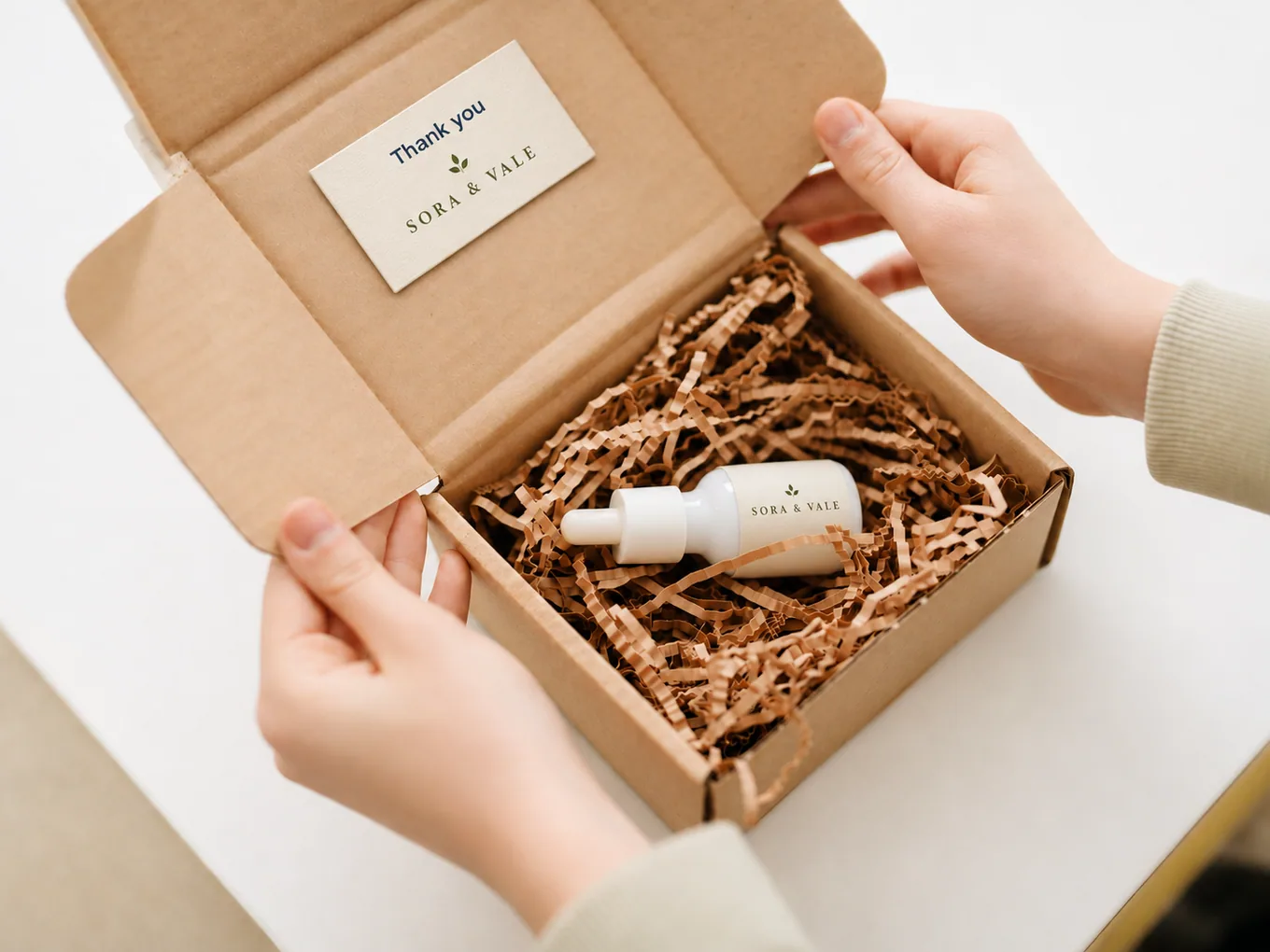
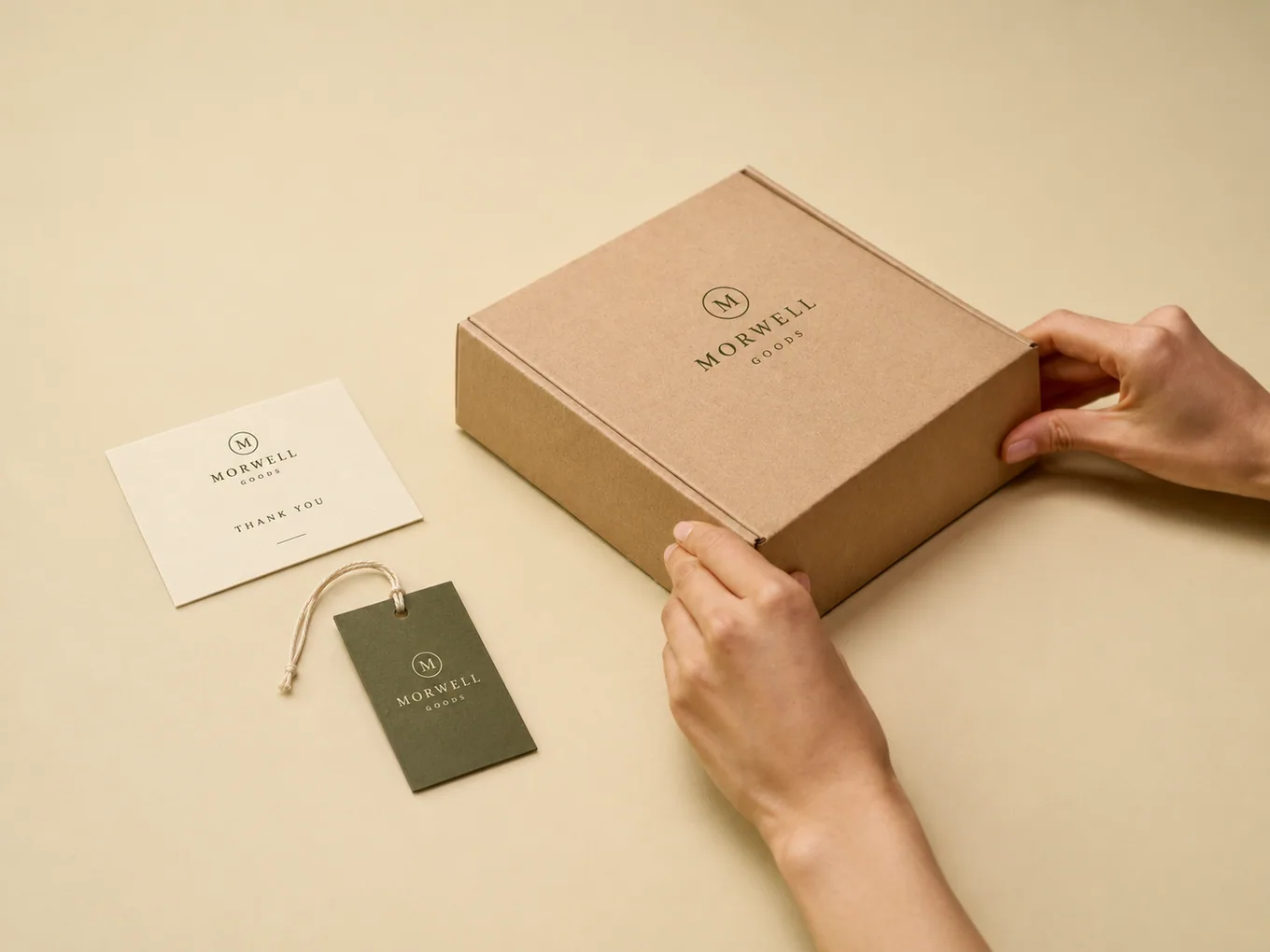
Private label produces an item to your approved specifications. White label applies your brand to a standard product.
The factory, materials, changes, and production method determine the MOQ.
The timeline depends on samples, revisions, tooling, tests, and order quantity.
Yes. Record the approved reference and acceptance criteria before the run.
Confirm any exclusivity rights in the project agreement.
Yes, if the factory can produce the changes and meet the agreed inspection and fulfillment requirements.
We compare the shipment with the written specification and follow the agreed resolution process.
Send the existing product, planned specification changes, estimated demand, and target date.