Daily Order Volume & Growth
Fulfillment solutions tailored to your current order volume and growth plans.

From order processing and quality checks to picking, packing, and shipping, CinovaFulfill takes care of your daily fulfillment operations — so you can focus on sales, customers, and growing your brand.
Supporting eCommerce sellers at different stages, from new stores to established brands.
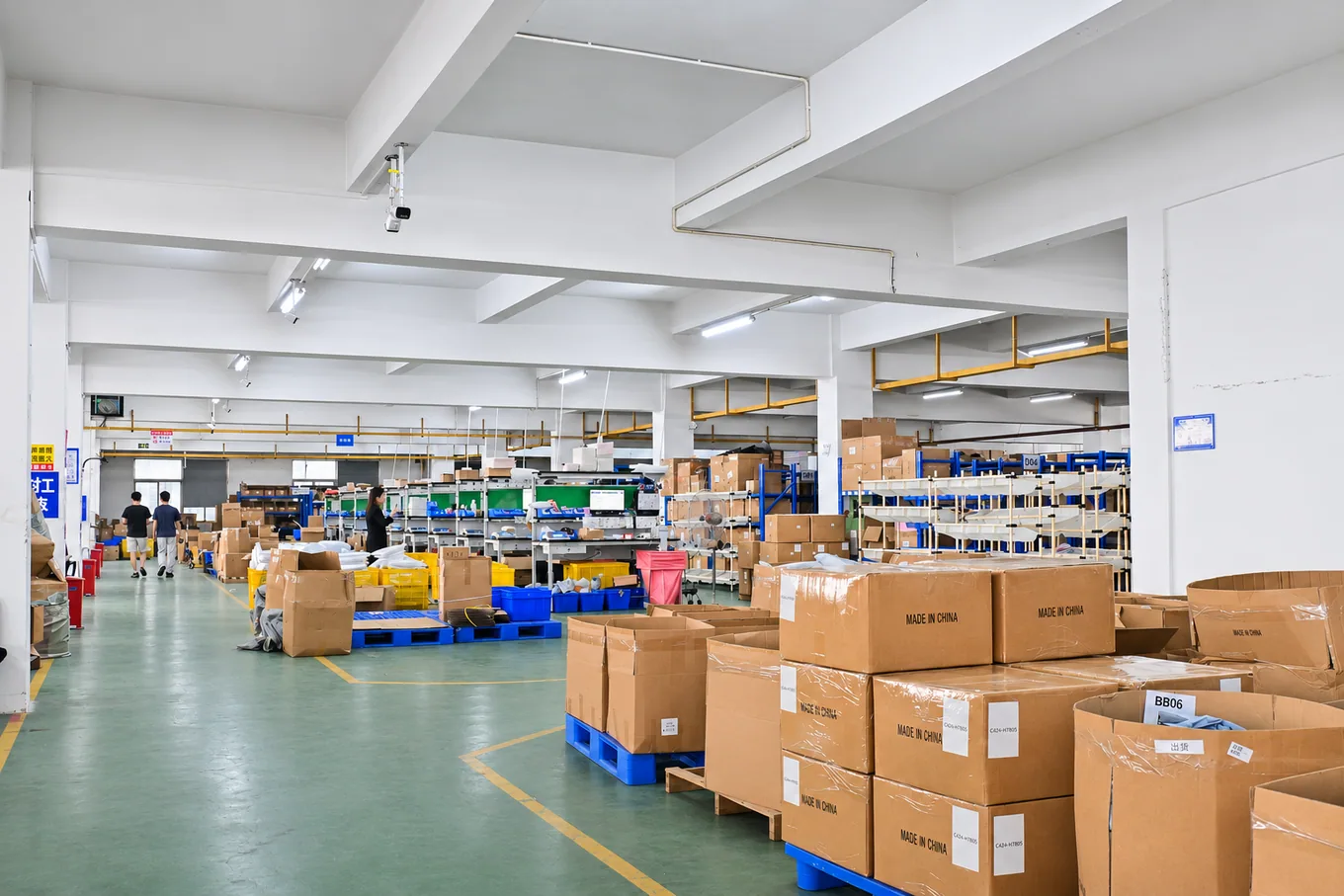
Every eCommerce business has different fulfillment needs. Whether you're just getting started or managing hundreds of daily orders, we help you build a suitable fulfillment workflow based on your products, order volume, and shipping requirements.
Fulfillment solutions tailored to your current order volume and growth plans.
Organized handling of different products, sizes, colors, and variations.
Order processing through supported store connections or agreed order-import methods.
Coordinated order verification, accurate picking, and professional packaging.
Suitable logistics options based on your products and target markets.
Put stock, packaging, routing, and after-sales checks into one documented process.
Arrange warehouse deliveries from your approved suppliers.
Define the stock count, open orders, and the first test shipment before changing providers.
Prepare repeat sellers, variants, and bundles as order volume changes.
Inventory goes through receiving, SKU mapping, order checks, packing, and carrier handoff.
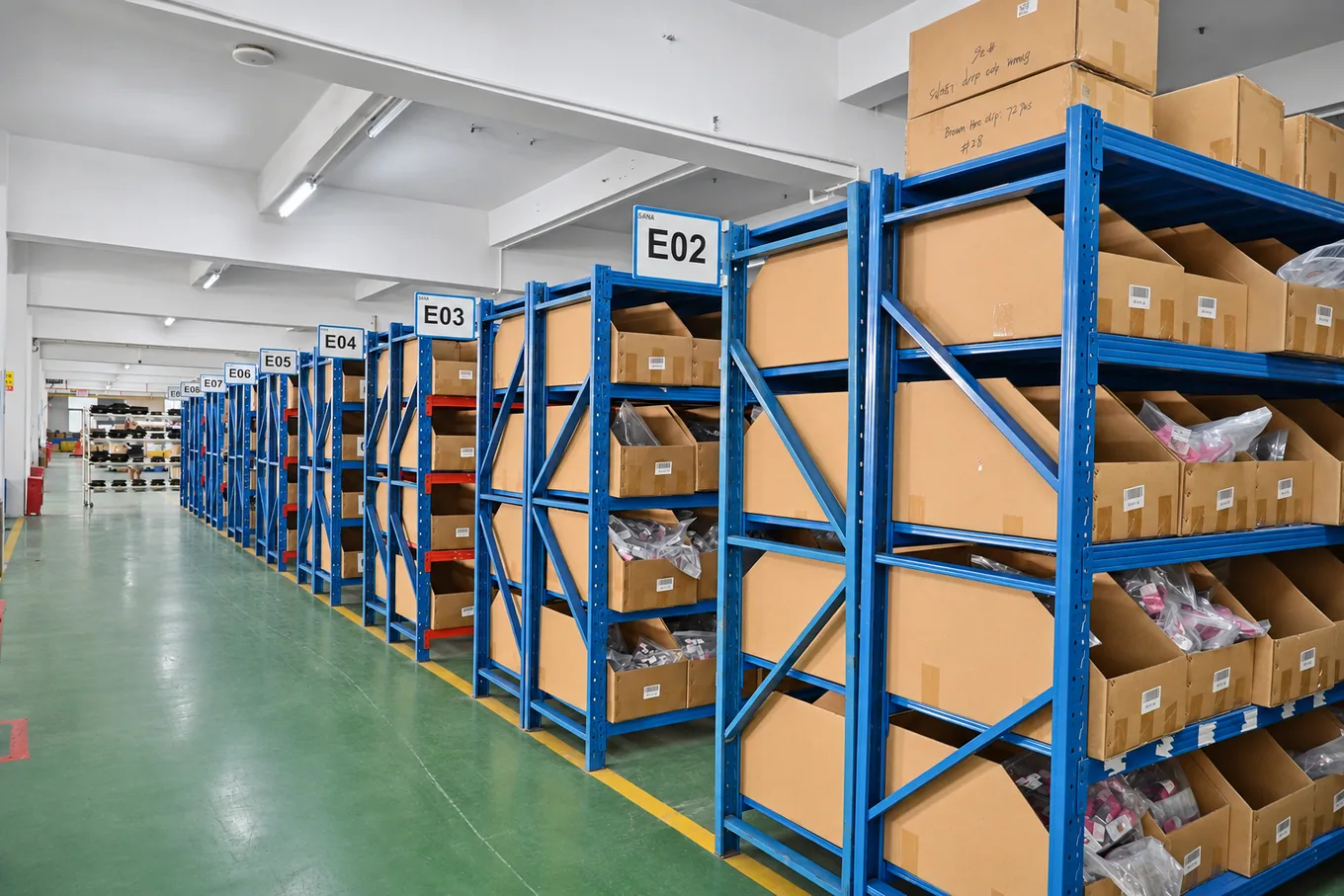

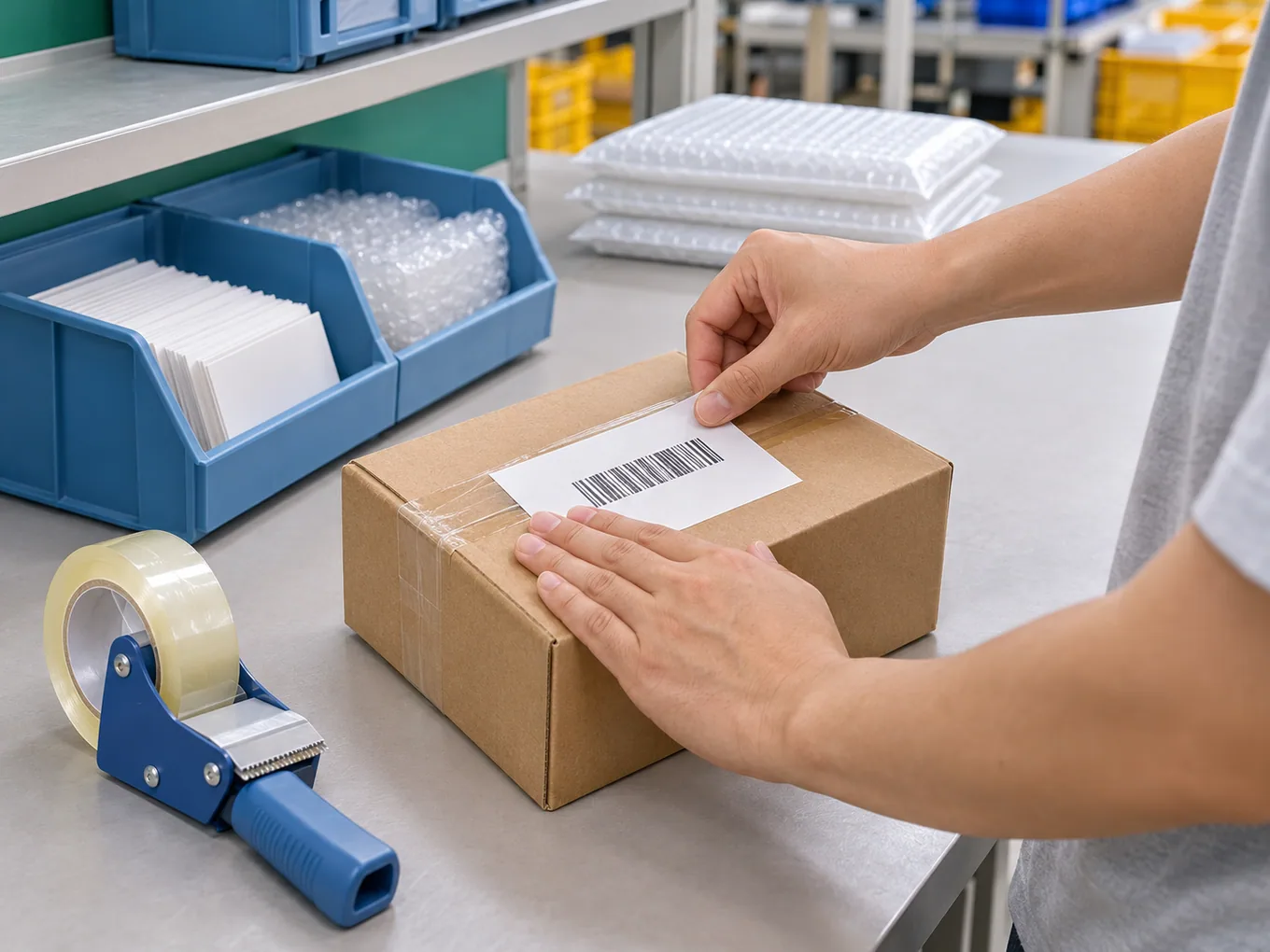
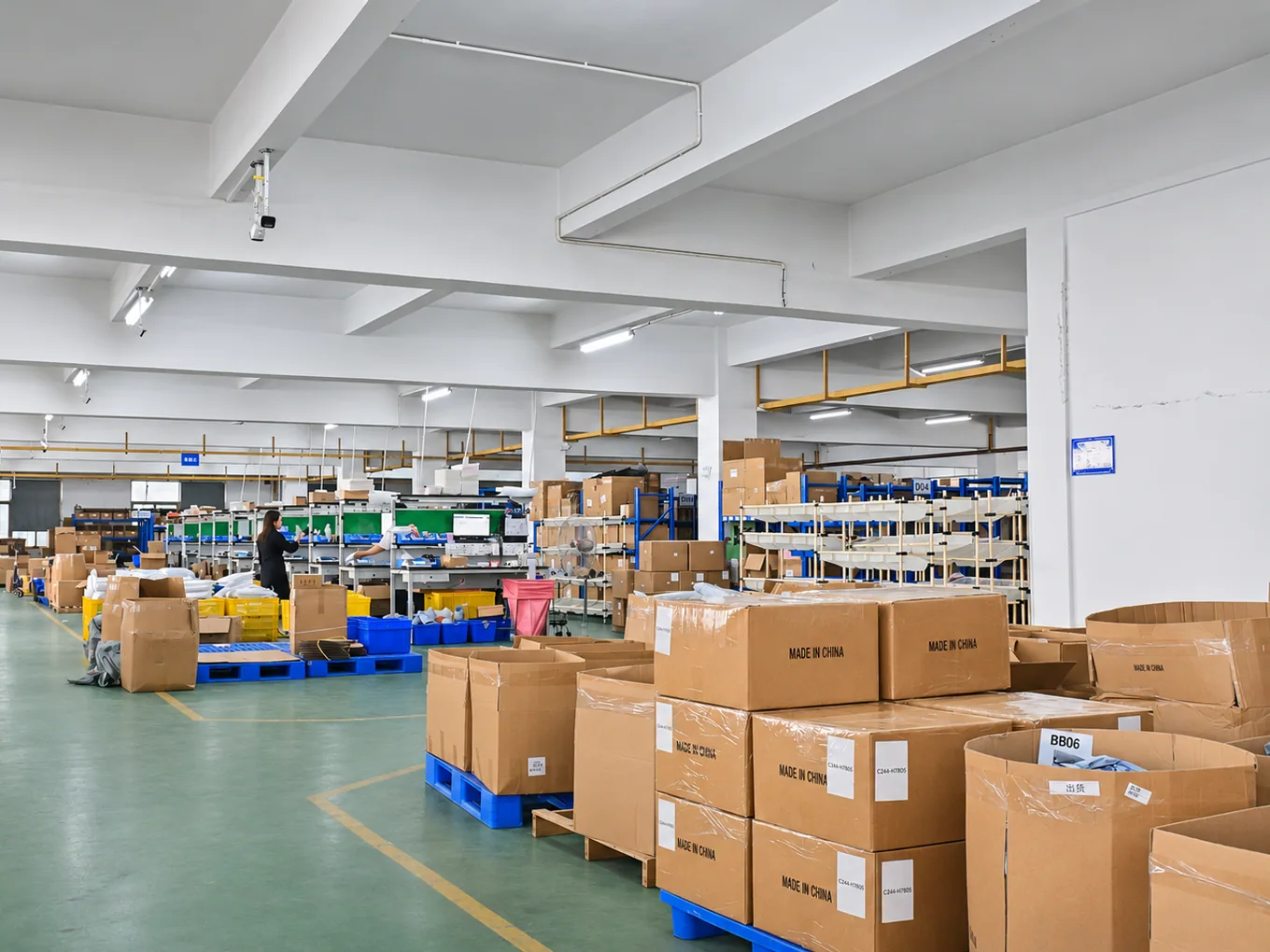
Approved products and packaging are already ready in the warehouse when orders come in.
Supplier preparation, domestic transport, and warehouse receiving can add time before dispatch.
The transit estimate starts after handoff to the carrier. We quote preparation separately.
Accepted stock and materials are available, SKUs are mapped, order information is complete, and the route accepts the item.
Missing items, packaging, incomplete addresses, or routing questions need to be resolved before release.
Agree stock, packaging, store connection, and shipping markets.
Send approved products and materials with the inbound details.
Match variants, bundles and packaging to the right SKU.
Use an agreed integration or order-import method.
Check the product, quantity and applicable packing instructions.
Use the approved materials and required shipment information.
Hand the parcel to the carrier and return tracking where supported.
Use movement, order, and carrier records to investigate issues and plan replenishment.
Confirm inbound handling and documents, then run a test order through the new warehouse process.
Reconcile stock and packaging, map SKUs, and define who handles open orders, returns, and claims.
Confirm counts, SKU, variant, visible condition, and packaging according to the agreed workflow.
Arrange product testing, documented sampling, or full inspection when product risk or customization calls for it.
Review item restrictions, parcel dimensions and weight, customs requirements, and delivery markets.
Compare preparation and carrier transit, and confirm which tracking events can be returned.
Gather the tracking, address, and parcel evidence needed for investigation under the agreed terms.
Discuss receiving, identification, storage, and any special handling.
Confirm picking, packing, materials, verification, and any additional requirements.
Review shipping rates, possible surcharges, and applicable return or transfer costs.
Review available workflows for Shopify, TikTok Shop, WooCommerce, Amazon, eBay, and Etsy.
Explore serviceStart here if you still need a product or supplier.
Explore serviceStart here if your products are approved and you need to prepare warehouse stock.
Explore serviceConfirm the order was received once, assigned the correct SKU and quantity, and packed using the approved materials.
Verify the route, handoff date, tracking number, and where the customer or store can see updates.
Yes, once the warehouse accepts the inbound setup and products.
A pilot order can check SKU mapping, packaging, tracking and carrier selection.
Reconcile stock and packaging and identify open orders, in-transit items, and returns.
The carrier estimate starts after dispatch. Supplier and warehouse time are estimated separately.
Receiving and order-level checks follow the agreed scope. Testing and inspections can be handled separately.
Use the store connection or order-import workflow agreed for the platform and region.
Agree the transfer date, stock reconciliation, SKU mapping, and responsibility for open orders before switching.
Supplier preparation and domestic delivery can add time before warehouse processing begins.
It depends on available stock, the completeness of the order, packaging, route eligibility, and the warehouse cutoff.
We can review fit, handling, SKU assignment, and replenishment for approved materials.
Share the order and tracking details and any photos or carrier updates. We review the evidence under the agreed terms.
Share your order volume, products and variants, platform, destinations, and existing supplier or warehouse setup.